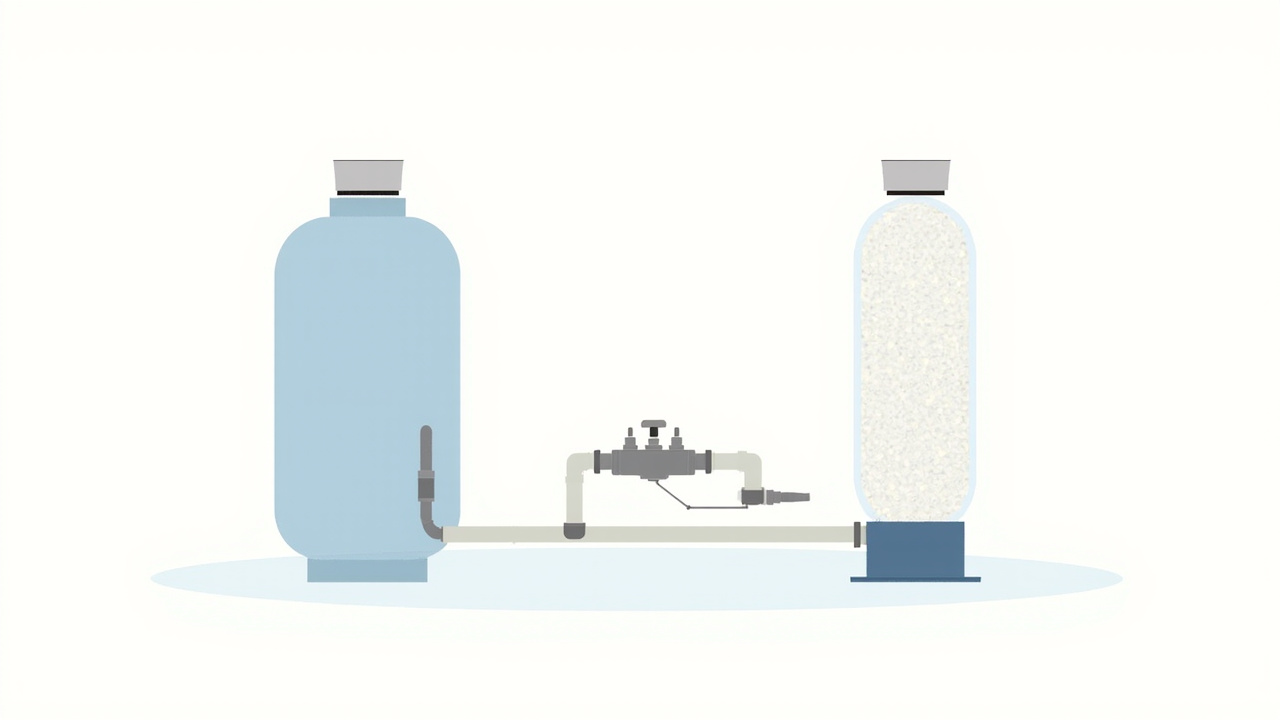
If your softener sits quiet for weeks while spots return on glass, you don’t need a new unit slogan—you need a short checklist. Skipping power, bypass, and salt is how people buy parts and still get hard water.
Quick answer
If your water softener is not regenerating, check power, bypass, and salt level first—then look for a salt bridge before chasing valve parts. Wrong hardness or meter settings can skip automatic regenerations even when the unit looks fine. Manual regen that completes but leaves hard water points to brine draw, injector, or resin issues. Shut off power and use bypass before any electrical or pressure work; call a plumber when manual regen fails or valves leak.
Do this first
Stop-loss first. Don’t open the control head, pour cleaners, or shop a replacement until you finish this block.
Confirm the symptom (not regenerating vs still hard)
“Not regenerating” means the control never starts a cycle, the cycle aborts, or brine never draws. “Still hard after a completed regen” is related but different—settings, resin, or brine draw after a cycle that did run. Ask three plain questions:
- Did you hear or see a recent regen (motor noise, water to drain, night cycle)?
- Is the salt pile dropping over weeks, or frozen in place?
- Is the display blank, stuck, or showing a normal clock?
If the unit is soft after a successful manual regen but never runs on its own, jump to settings. If it never starts, stay on power, bypass, and salt.
Safe first checks (order matters)
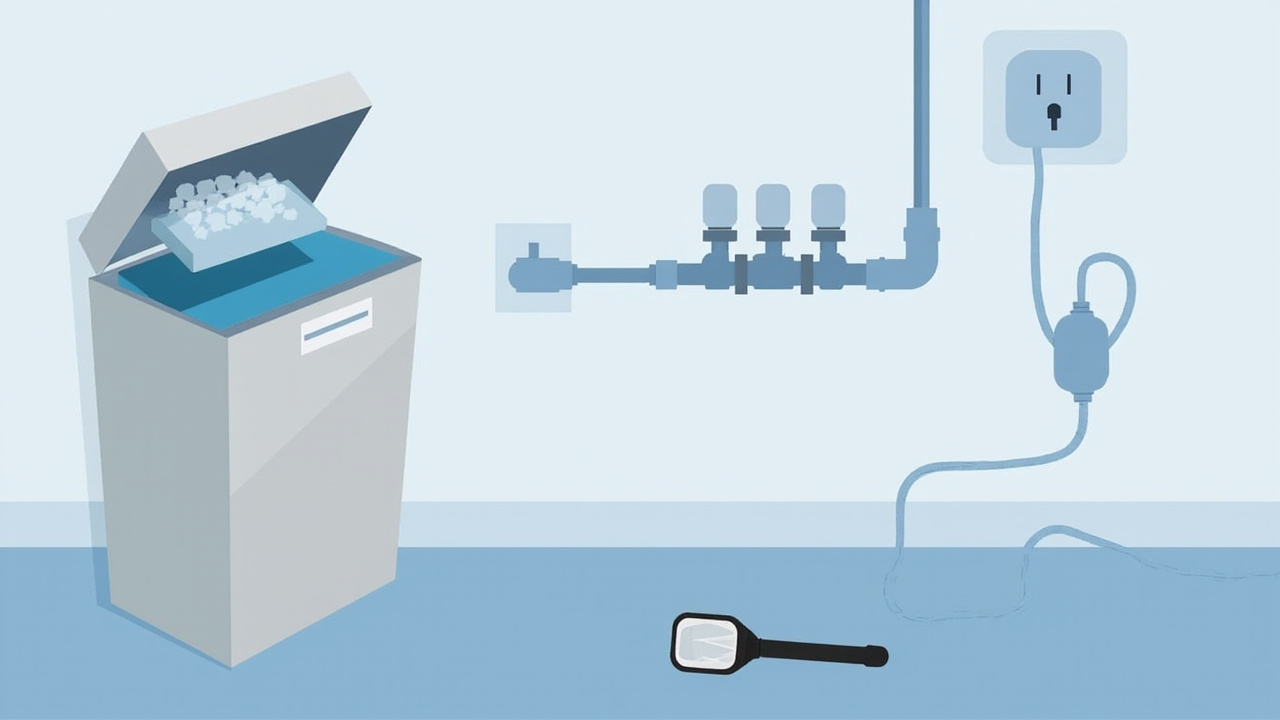
- Power. Is the transformer plugged in? Display lit? Outlet live? GFCI tripped? Turn off / shut off power at the outlet before you unplug the transformer or open the control cover. Don’t work electrical parts with wet hands or a wet floor.
- Bypass. Confirm the bypass valve is in service, not bypass. A unit left on bypass never softens and often confuses “not regenerating” complaints—salt sits unused for months while every tap runs hard.
- Salt level. Open the brine tank. Is salt above the water grid? Empty? Hard crust (bridge)? Mushy sludge at the bottom?
- House water pressure. Very low pressure can block proper brine draw and injector function. Don’t open pressurized fittings without bypass and a plan for pressure relief.
- Electrical limits. Keep hands dry. No DIY inside the motor or drive if you smell burnt plastic, see a damaged cord, or the floor is wet—that is plumber / tech territory.
Don’t pour random cleaners into the brine tank before you rule out empty salt, a bridge, or bypass.
Don’t force a jammed valve with tools mid-cycle—shut off power, set bypass, call a plumber.
Skip buying a new softener on day one of “not regenerating.” Most “dead” units are power, bypass, salt, or settings.
This page stays on regenerating failures only—not the full “still hard / leaks / noise” umbrella. For hardness basics while you diagnose, start with what is hard water and water hardness (gpg). For the broader failure tree, see water softener not working; for the cycle itself, how water softeners work.
Decision tree: why it is not regenerating
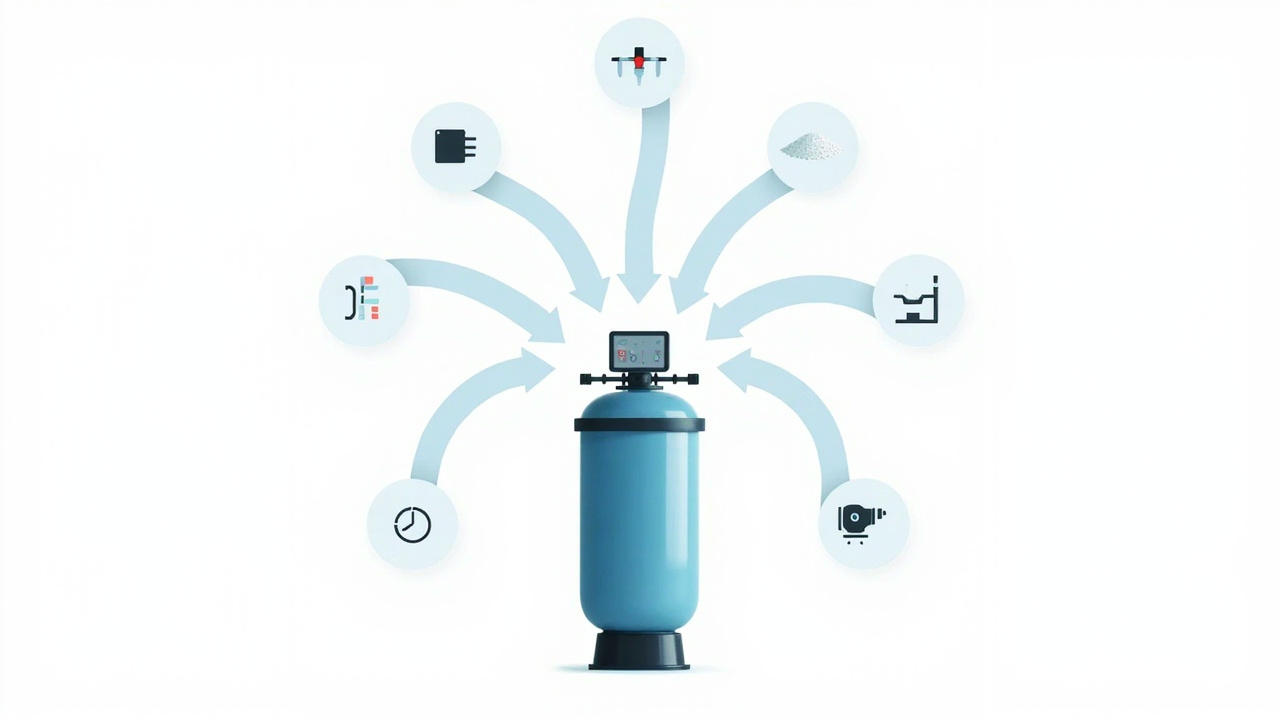
Work the branches in order. Each one ends with a clear stop: DIY fix, verify with a strip, or call a pro. Products come after the diagnosis language—not as a ranked shelf.
Branch 1 — No power / blank display / unplugged transformer
Signal: dark display, no clock, buttons dead, no night cycle noise for weeks.
Checks: wall outlet, GFCI reset, transformer plug seated, cord damage, power strip switch.
Fix: restore power per the manual; after outages, reset the clock and delayed-regen time so night cycles still fire. Many “it never regenerates anymore” calls start the week after a storm.
Don’t open the control for electrical repairs if you smell burnt plastic or see scorched connectors—call a plumber or softener tech. No product CTA on a power fault.
Branch 2 — Bypass valve left on service bypass
Signal: untreated hard water at every tap; softener idle; salt unused for months; you “fixed” plumbing and forgot the lever.
Checks: three-valve or push-pull bypass orientation; labels for service vs bypass; confirm water actually flows through the resin tank, not around it.
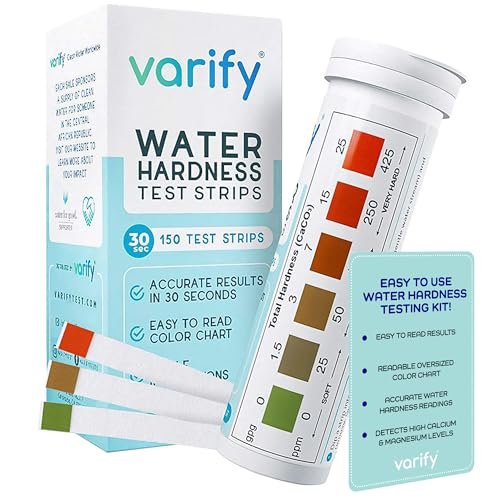
Fix: return the valve to service. Confirm salt and water in the brine tank, then run one manual regen. After the cycle finishes, spot-check a cold tap with a Varify hardness test kit so you know soft water actually returned—not just that the lever moved.
Skip blaming resin on day one if the unit has been on bypass since the last remodel.
Branch 3 — Salt empty / salt bridge / mush blocking brine draw
Signal: salt level never drops; hard crust above the water while the grid sits dry; softener “runs” but doesn’t use salt; brine tank looks full but feels hollow when you push.
Checks: flashlight into the tank; gentle push with a broom handle through the crust (not a metal scraper that cracks plastic); water level relative to the grid; sludge or mush on the bottom.
Fix: break the bridge, scoop mush, restore a path from water to salt, then refill the form your manual allows. Form choice—pellets vs crystals—lives on salt pellets vs crystals. Also see brine tank problems and water softener salt.
Once the path is open, refill with pellets if the manual allows them. A practical default is Morton Clean and Protect salt pellets (40 lb, 2-pack). Prefer a single 50-lb pellet bag? Use Diamond Crystal Bright & Soft pellets. Only if the manual allows solar crystals and you inspect often, Snow Shield All Natural Solar Salt can work—expect more bridge checks in damp spaces.
Skip crystals-first if your manual requires pellets or blocks and you keep bridging. Don’t use rock salt, ice melt, or pool salt.
Branch 4 — Timer / meter settings wrong (hardness, people, regen days)
Signal: automatic regen never due; capacity set sky-high; programmed hardness far below real water; clock wrong after an outage so “delayed regen” never hits night hours.
Checks: programmed hardness in gpg, number of people, regen time (often 2 a.m.), meter vs calendar mode, capacity/grains setting.
Fix: set hardness from a real test or a utility report—not a guess from an ad. Size capacity honestly. Verify the clock after every power blip. For unit talk and gpg vs ppm, use water hardness (gpg) settings. If the unit may be undersized for your hardness and household, run the softener size calculator before you blame the valve.
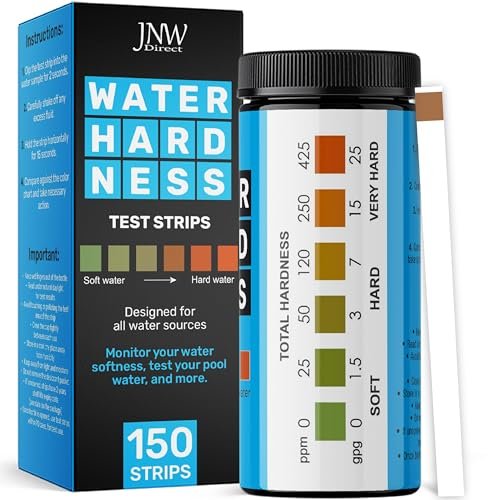
Wrong low hardness is a classic skip-regen trap: the meter thinks you still have capacity, so automatic cycles never fire even though every glass is spotted. Confirm the number with a Varify water hardness test kit or keep a high-count pack like JNW Direct hardness strips for weekly spot-checks while you tune people-count and regen days.
Don’t set hardness to zero “to save salt.” You’ll skip regenerations and scrub fixtures instead.
Branch 5 — Injector / screen clogged or brine line blocked
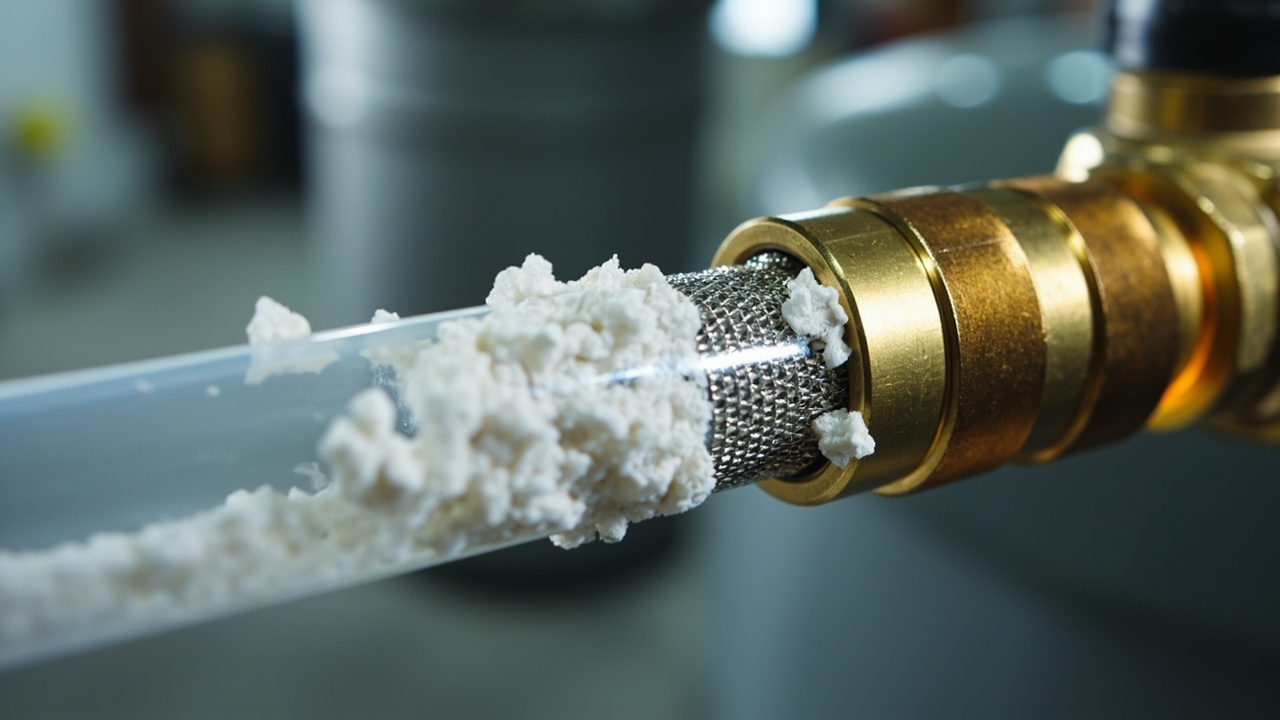
Signal: regen starts but no brine draw; air sputter in the brine line; salt water never enters the resin tank; brand-specific error codes about brine or draw.
Checks: brine line kinks, air-check ball stuck, injector screen clogged (model-specific), drain line restrictions.
Fix: put the unit on bypass, isolate pressure, then clean the injector/screen per the manual. Replace worn seals only if you’re competent with that valve family. After a mechanical clear, if iron or sediment history makes fouling plausible, a measured resin cleaner dose can help—try a starter pack like Pro Products Res Care 4-pack only after brine can draw again.
Don’t mix random acids into the valve body. Don’t chase cleaner before empty salt and bridge are ruled out.
Branch 6 — Motor / drive or valve stuck (manual regen fails)
Signal: motor hums, gears click, piston won’t advance; manual regen aborts; error codes about drive or position.
Checks: listen during a manual regen; note error codes; confirm power is stable (not a flickering outlet).
Fix path: often a service kit or tech visit. DIY limit is real here.
When to call a pro: manual regen cannot complete; broken piston; cracked valve body; burning smell from the head. Shut off power, leave the unit on bypass if water must stay on for the house, and call a licensed plumber or softener tech. No product push on a stuck drive.
Branch 7 — Still hard after a “completed” regen (handoff)
Signal: cycle finished, some salt dropped, drain ran—but taps still test hard.
Possible causes: incomplete brine draw, exhausted or fouled resin, undersized unit, iron loading. This is not the full not-working umbrella—keep the checklist short and hand off.
Short path: retest hardness at a cold tap after the cycle; confirm brine actually drew; review capacity vs real gpg; check iron history. For gpg context while you hand off, use water hardness (gpg) settings. Broader path: softener not working; cycle basics: how softeners work.
Confirm the tap with hardness test strips. If iron or sediment fouling is likely and regenerations clearly run, a deeper cleaner schedule such as Res Care liquid cleaner can be next—not a day-one move.
If-then cheatsheet
| If… | Then… | Skip… |
|---|---|---|
| Display dead | Power / transformer first | Buying salt |
| Bypass on | Return to service + manual regen | New softener |
| Salt crust | Break bridge + refill | Cleaner as first move |
| Auto never runs | Hardness / people / clock / meter | Injector teardown first |
| Manual regen fails | Bypass + plumber / tech | Forcing gears |
| Soft after manual only | Fix auto settings / meter | Ignoring clock after outages |
How to check a salt bridge
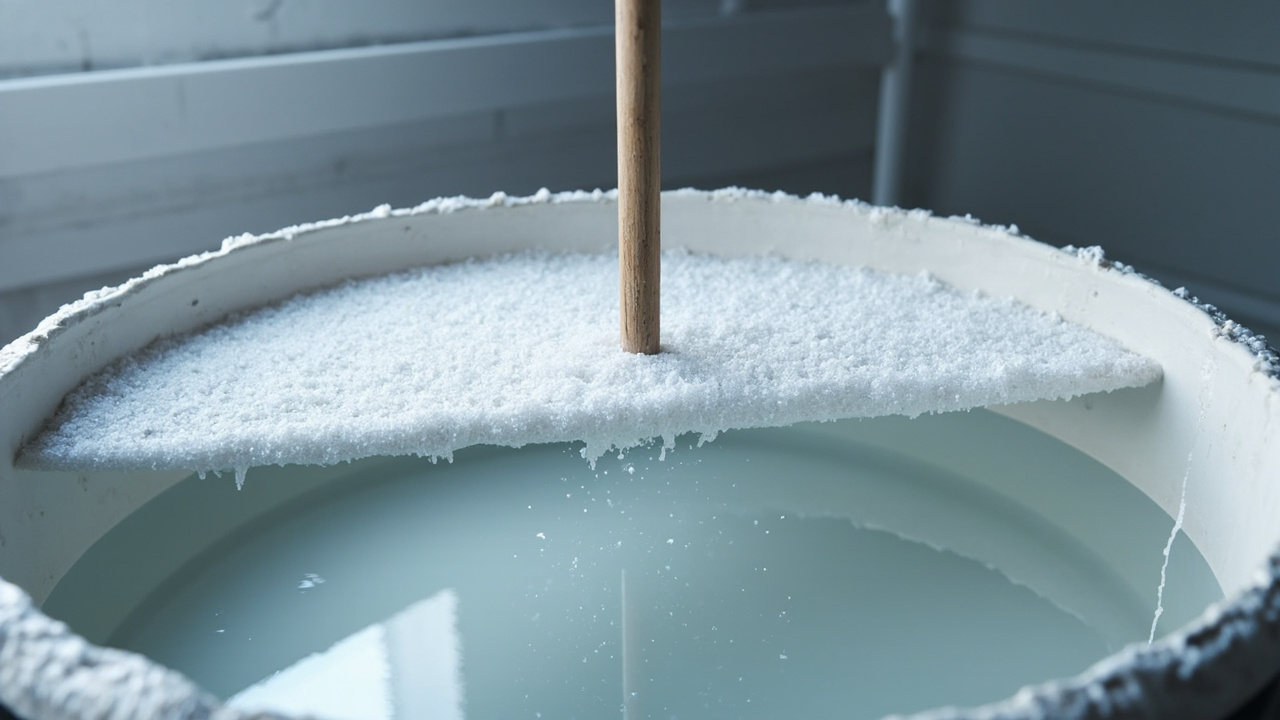
A salt bridge is a hard crust of fused salt sitting above the water while the grid below stays dry. The tank looks full. Brine never forms. Automatic and manual cycles can “run” without using salt.
Tools and safe method
- Broom handle or blunt stick, flashlight, gloves.
- Optional but smart: put the softener on bypass if you’ll scoop mush.
- Push gently through the crust until you break a path; don’t spear the tank wall.
- Scoop sludge; restore water contact with the salt pile; refill to the manufacturer fill line—not to the lid.
- After you break the crust, refill only the form your manual allows—see salt pellets vs crystals for bag choice. Tank care: brine tank problems; refill: how to add salt.
Don’t chip the tank with a screwdriver. Don’t dump boiling water that can warp plastic. Don’t overfill past the max line. Don’t use rock salt or ice melt.
After the bridge is gone, refill the form your manual allows. Most tall brine tanks do well with pellets—start with Morton softener salt pellets or a 50-lb Diamond Crystal pellet bag. Then run one manual regen and recheck a tap.
Settings worth verifying

Under-regen from bad programming is a top reason automatic cycles never start. The unit can look healthy—display on, salt present—and still skip regenerations for months.
Hardness gpg and capacity
Programmed hardness too low → the meter believes capacity lasts forever → automatic regen never trips. Pull a real number: utility CCR, lab report, or strips. Keep one method consistent. For gpg vs ppm and why the number matters, stay on water hardness (gpg) settings. Background on what hard water is helps if you’re still sorting soft vs hard labels.
If you don’t trust last month’s strip reading, retest with a hardness test kit before you change capacity. For frequent tweaks while you dial people-count and regen days, JNW Direct strips keep the pack count high without another store run.
Metered vs time-clock
- Time-clock regenerates on a day schedule even if you were out of town.
- Metered regenerates on gallons used.
- After power loss, both need a clock / time-of-day check so delayed regen still fires at night.
Skip tearing into the injector before you’ve verified hardness, people, capacity, and clock. Don’t set a calendar unit to 14-day gaps in very hard water just to “save salt”—you’ll under-regen and blame the resin later. If household size and hardness outgrow the tank, check the softener size calculator before you shop a second unit.
Softener vs filter vs RO (one screen)
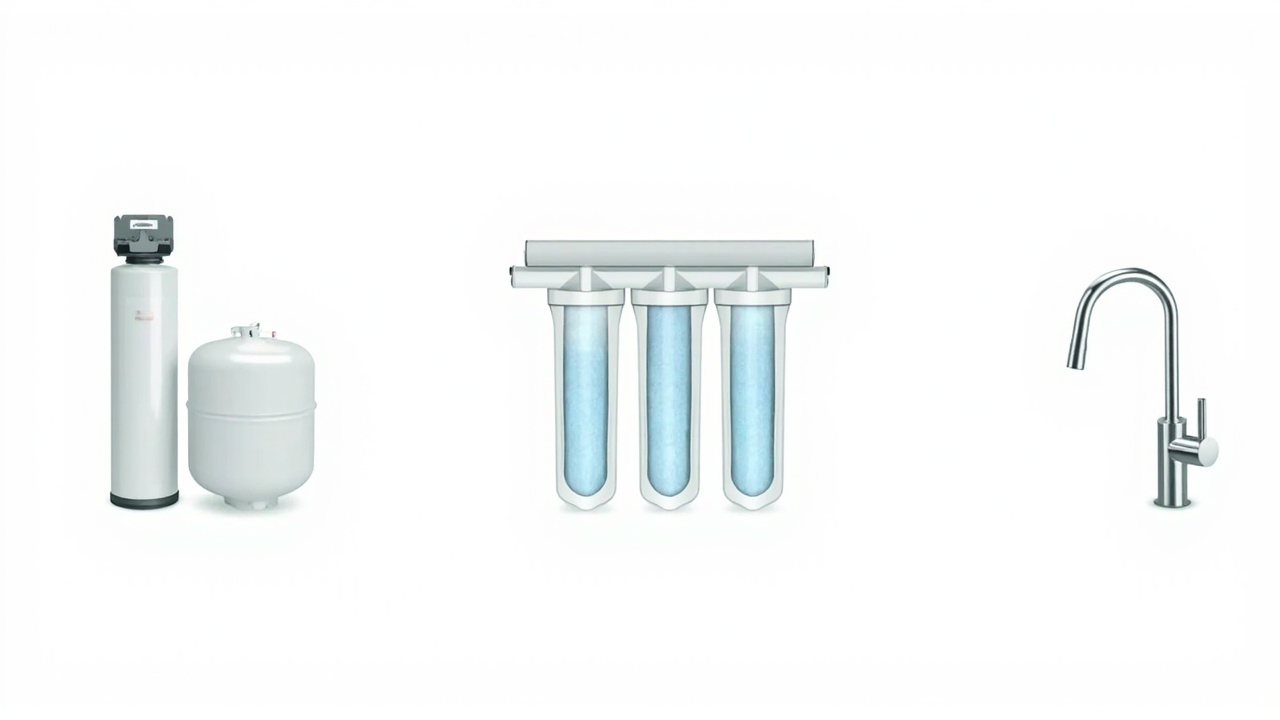
If “not regenerating” is really “water still tastes like chlorine” or “drinking water tastes flat,” you may be on the wrong system:
- Softener (salt): swaps hardness minerals—fixes scale and spotting when regenerations actually run.
- Whole-house carbon / sediment: improves taste, chlorine, dirt—not softening.
- RO (usually under sink): polishes drinking and cooking water—not every shower.
A carbon filter that never “regenerates” is normal—it uses cartridges, not brine. Salt-free conditioners are a separate product class; they usually do not bring hardness grains to zero on a strip. This page is about salt-based softener regeneration only. If you only care about drinking taste, RO may matter more than softener regen timing.
What you might need (after diagnosis)
Role-based gear only—salt, strips, resin cleaner. Not a Top 10 shelf. Buy after the branch diagnosis, not instead of it.
Hardness test strips

Use strips to set gpg and to prove soft water after a manual regen. Start with the Varify hardness test kit (150 strips) or keep JNW Direct hardness strips for weekly checks while you tune the head. For gpg bands while you read the strip, see water hardness (gpg) and hardness test kits.
Softener salt (refill after empty or bridge)
Once empty salt or a broken bridge is confirmed, refill the form your manual allows. Default pellets: Morton Clean and Protect 40 lb pellets (2-pack). Single-bag pellet option: Diamond Crystal 50 lb pellets. Budget crystals only when the manual allows them and you inspect often: Snow Shield All Natural Solar Salt 50 lb. Form deep-dive: salt pellets vs crystals.
Resin / softener cleaner (after fouling is plausible)
Cleaner is not a substitute for salt or a working injector. After regenerations run and brine draws, and iron or neglect points to fouled resin, use a starter pack like Pro Products Res Care 4-pack or a deeper bottle of Res Care liquid cleaner on the schedule the label allows.
Don’t buy a whole new softener from this page’s CTAs. Don’t buy cleaner instead of filling empty salt. Skip salt blocks unless the cabinet is block-designed—see salt pellets vs crystals before you force bars into a tall brine tank. Salt forms: water softener salt.
Common mistakes
- Pouring cleaner before checking salt and bypass. Empty tanks and open bypass valves fake a “dead” softener. Diagnose first.
- Forcing a jammed control head. If manual regen fails, shut off power and call a plumber—don’t pry gears.
- Guessing hardness instead of testing. Lowball gpg settings skip automatic regenerations for months.
- Leaving the unit on bypass after plumbing work. Salt sits unused; every tap stays hard; you blame resin.
- Using rock salt, ice melt, or pool salt. Wrong product clogs grids and wrecks brine quality—stick to softener-labeled pellets or crystals your manual allows.
When to call a pro

Keep DIY if: testing hardness, setting the control head, adding salt, breaking a salt bridge, confirming bypass position, running a manual regen that completes cleanly.
Call a licensed plumber or softener tech if:
- Manual regeneration fails repeatedly (motor, drive, or piston).
- Valve body leaks, tank cracks, or a brine line bursts (pressure hazard).
- Burning smell, sparking, or damaged electrical cord / transformer.
- You’re not comfortable isolating bypass or the main water shut off.
- Iron / sulfur complex water needs specialized media beyond this page.
- Brand-sealed or non-electric designs (some dealer-only systems) need factory service—don’t force pellet advice onto block or kinetic designs without the manual.
We don’t rank local installer lead lists. Hire a licensed plumber you already trust, or the brand’s service network when the manual says so.
Safety notes
- Shut off softener power and know the main water shut off location before valve work.
- Turn off the unit at the outlet or transformer before removing covers.
- Respect electrical ratings; dry hands; a GFCI trip is a stop signal, not a nuisance.
- Isolate pressure with bypass before opening brine fittings or injector screens.
- Don’t force plastic fittings; overtight housings crack.
- Keep salt and cleaners away from kids and pets when the brine lid is open.
- Softened water is higher in sodium; if someone is on a strict sodium diet, ask their clinician about drinking softened water—we don’t give medical advice.
- When in doubt, plumber.
Related
- What is hard water
- Hard vs soft water
- Water hardness (gpg) settings
- Softener size calculator
- Salt pellets vs crystals
Related: how softeners work, brine tank problems, softener not working, water softener salt, how to add salt, hardness test kits.
Key takeaways
- Power, bypass, and salt level beat parts-swapping.
- Salt bridges fake a “full” tank while blocking brine.
- Wrong hardness or meter settings skip automatic regenerations.
- Manual regen failure → stop DIY; call a plumber or tech.
- Cleaner and new salt come after diagnosis, not before.
- This page = regenerating only; still-hard-after-regen is a handoff.
- Shut off power, use bypass, respect pressure before any teardown.