Start with hard water basics
What hard water is, how soft water differs, and the first steps before you buy gear. We strip away the marketing jargon to give you real answers.
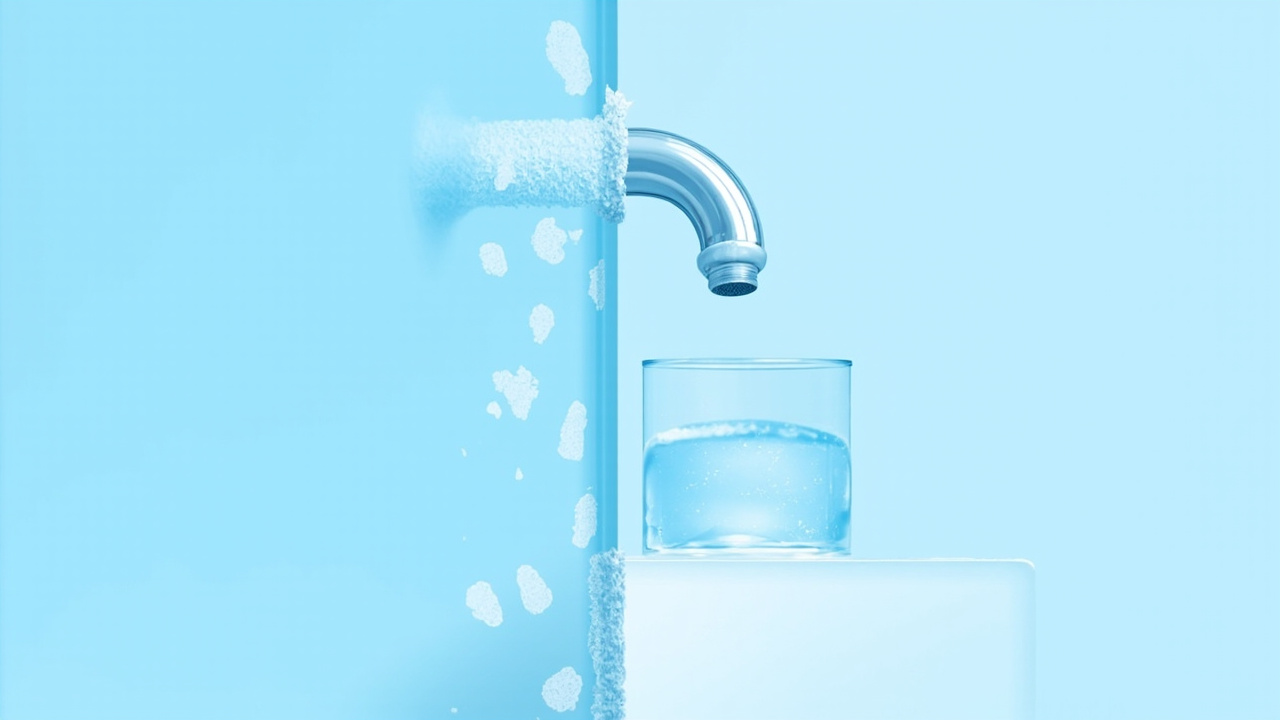
What Is Hard Water? (Signs, gpg, and What It Damages)
Hard water means high levels of calcium and magnesium. Learn the signs, hardness units, and what to do next.
Common signs
Scale, dry skin, dull laundry.
The numbers
Grains per gallon (gpg) or ppm.
What it damages
Heaters, pipes, fixtures.
Hard Water vs Soft Water: What Actually Changes
Hard vs soft water changes soap lather, glass spotting, laundry, and scale. Here's what actually differs and how people get soft water at home.
- Soft water helps appliances last longer by cutting scale.
- Hard water needs more soap for the same lather.
- Soft water can feel “slippery” because minerals are swapped out.
The golden rule
Never buy a system before you know your hardness. A simple DIY kit is enough for a first decision—skip the sales pitch “free water test.”
Get a test kit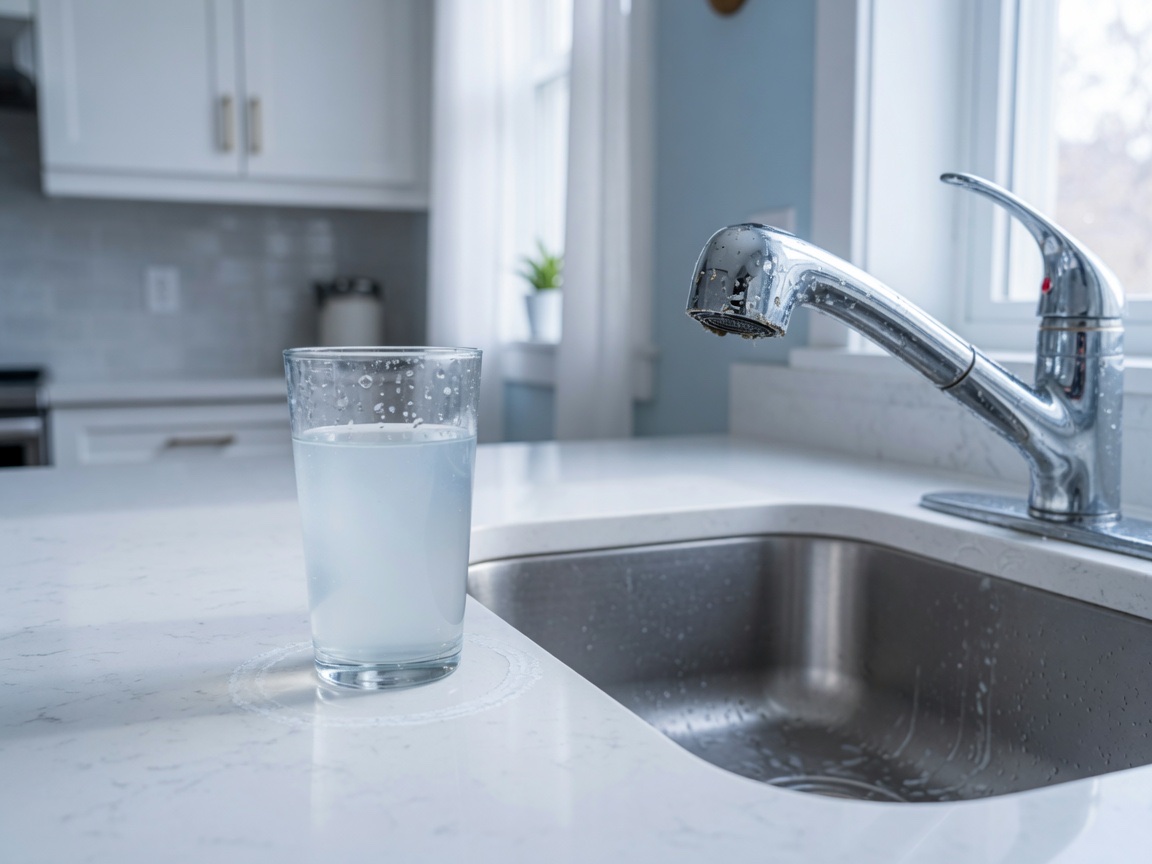
In this hub
Read more Start guides
Full Start archive—only primers in this hub. Grows as we publish.
Leave Start · other hubs
Next steps after the basics
These are not Start guides—they live in Water, Essentials, Systems, and Problems. Use them once you understand hard vs soft water.
Suggested order across the site
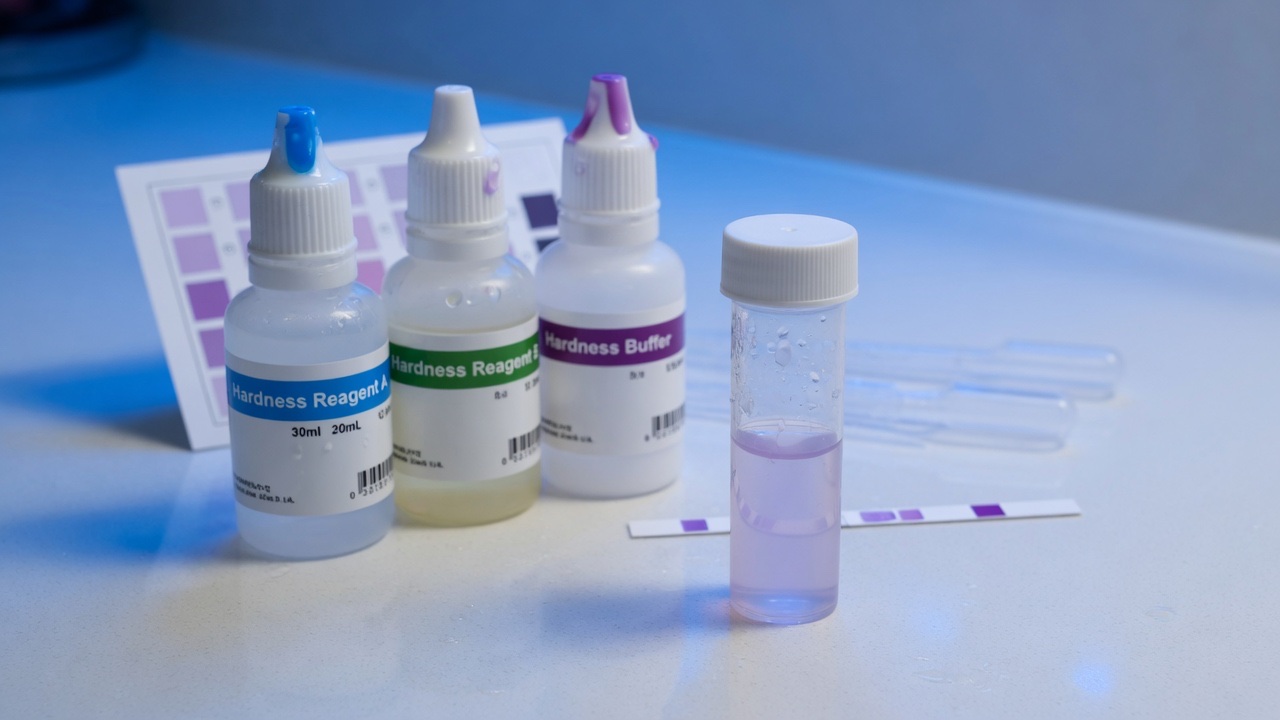
Water Hardness Explained (gpg, ppm, How to Test)
Hardness units (gpg and ppm), typical ranges, home testing, and how hardness drives softener size.
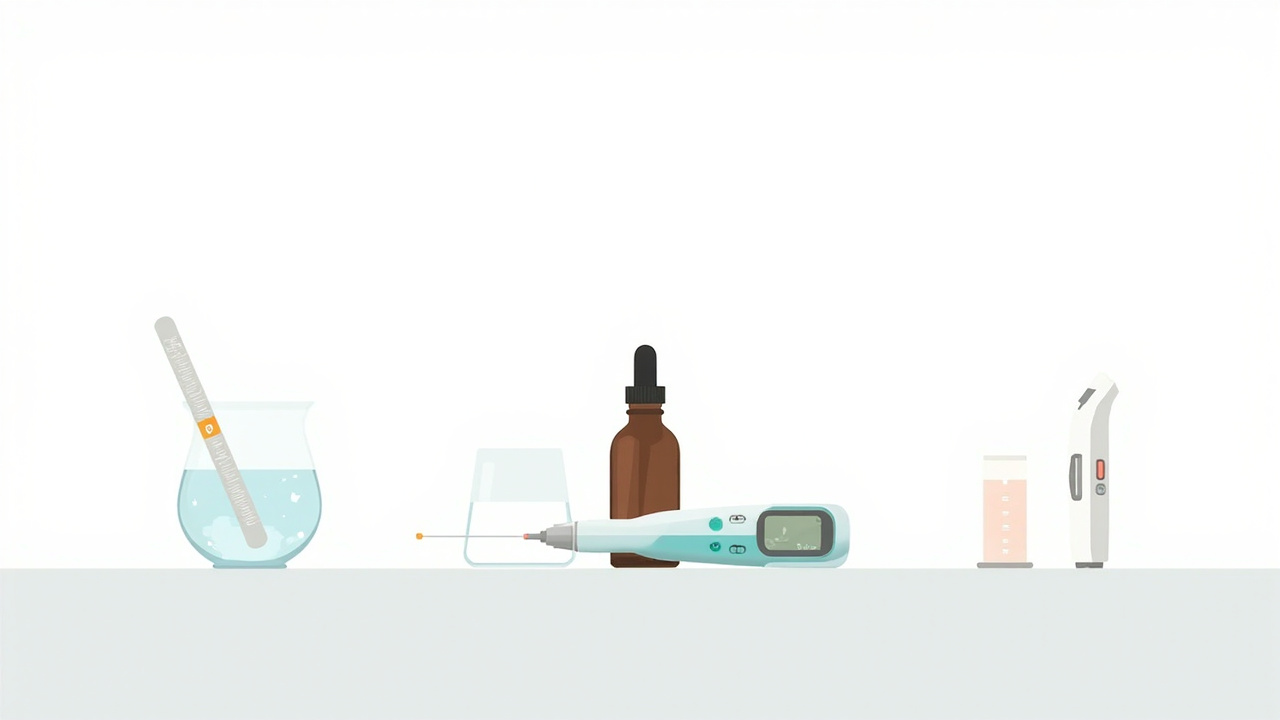
Hardness Test Kits and Strips: What to Buy
Strips vs drop-count titration vs digital TDS meters compared. How to sample cold tap water, convert ppm to gpg, and avoid a softener sizing mistake.
Read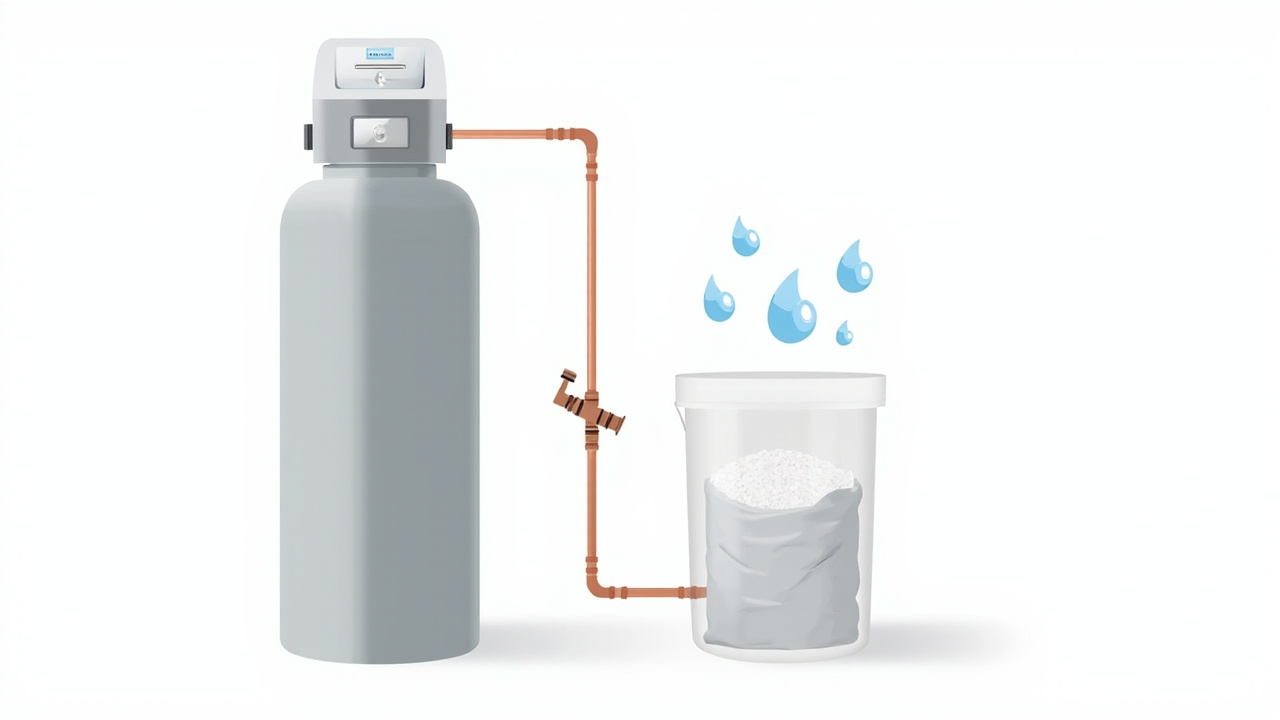
How to Choose a Water Softener (Size and Features)
Three steps: test hardness gpg, size by people x gallons x gpg x regen days, then pick metered regen, resin volume, and matching iron rating before buying.
Read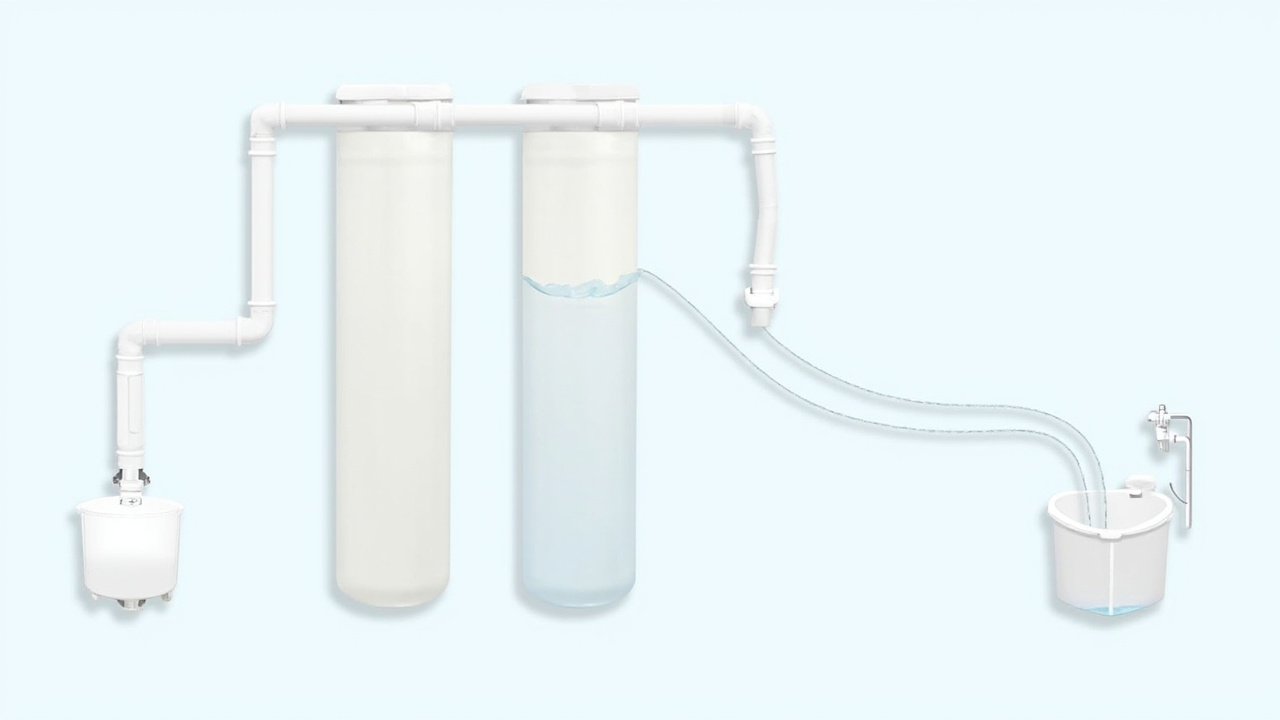
How Water Softeners Work (Ion Exchange and Brine)
Ion exchange, the five-stage regeneration cycle, metered vs timer heads, and what a softener does NOT remove—explained without brand sales talk.
Read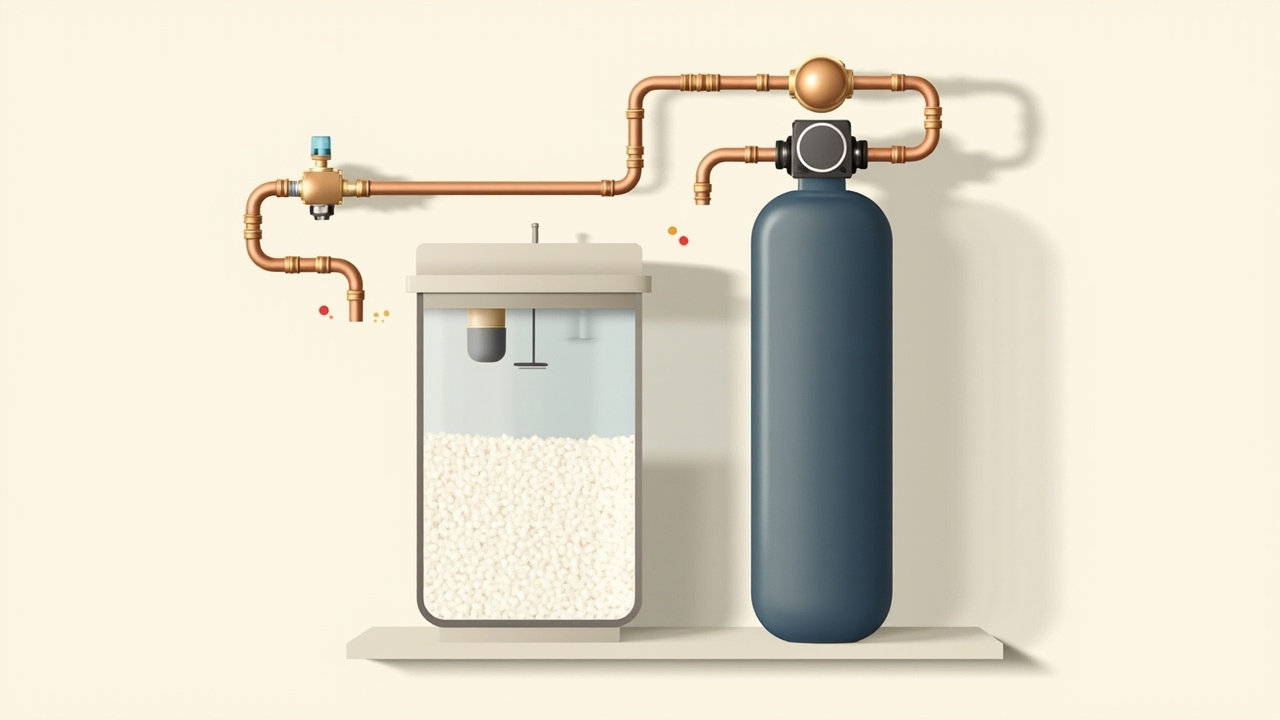
Why Your Water Softener Is Leaving Water Hard
Run the 5-minute check: bypass, power, salt, settings, regen. Branch by the signal you see before buying a replacement.
ReadReady to take the next step?
Jump by situation—test, numbers, gear, or something already wrong.
In this hub only
Start primers
4 guides in the Start hub—this hub only. Cross-hub picks stay under “Next steps.”
What Is Hard Water? (Signs, gpg, and What It Damages)
Hard water means high levels of calcium and magnesium. Learn the signs, hardness units, and what to do next.
Read guide
Hard Water vs Soft Water: What Actually Changes
Hard vs soft water changes soap lather, glass spotting, laundry, and scale. Here's what actually differs and how people get soft water at home.
Read guide
How Hard Water Damages Your Appliances
Hard water scale cuts water heater efficiency up to 11%, shortens appliance lifespans, and adds $270-700/yr. What breaks, what it costs, what to do.
Read guide
How to Tell If You Have Hard Water (8 Signs)
Scale, soap scum, spotty dishes, dry skin, stiff laundry — plus a soap test you can do tonight, no kit needed.
Read guide